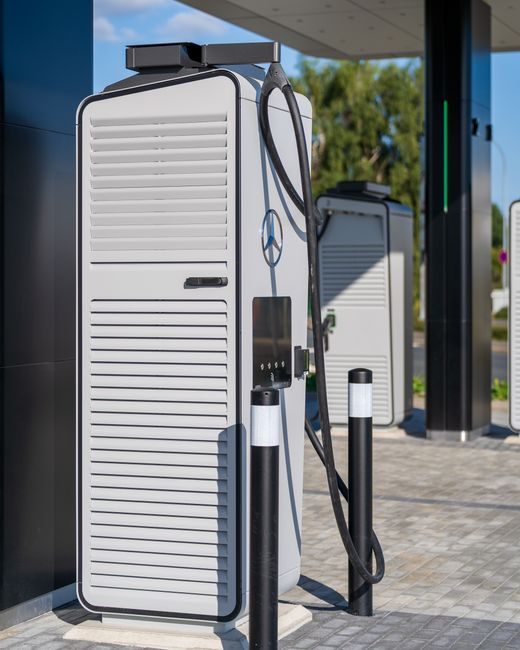
Atlanta, Georgia – January 16, 2026 — East Atlanta’s Tech Corridor marks a significant step forward in sustainable transportation with the introduction of a 50-acre autonomous electric vehicle charging network, set to begin operations on January 20. Spanning underutilised industrial land along Moreland Avenue, the site will feature 200 advanced stations designed to serve commuters, logistics firms and residents across the metro area.
The project, spearheaded by Atlanta-based firm GreenCharge Innovations in partnership with local developers and Georgia Power, transforms a former warehouse district into a seamless charging hub. Each station incorporates vehicle-to-grid technology, enabling electric vehicles to both draw power and return excess energy to the local grid during peak demand periods. This bidirectional capability supports grid stability while reducing costs for users, with initial charging sessions projected to take as little as 20 minutes for most models.
Dr. Elena Vasquez, chief executive of GreenCharge Innovations, highlighted the network’s role in fostering community resilience. “This initiative equips East Atlanta with infrastructure that aligns everyday travel with environmental goals,” she said during a recent site tour. “Drivers can recharge while accessing nearby amenities, turning routine stops into opportunities for local economic activity.” The 50-acre expanse includes shaded parking canopies, pedestrian pathways and integration with solar arrays, ensuring reliable service even during high-traffic hours.
Positioned at the intersection of major routes like I-20 and I-75, the corridor addresses growing demand from Atlanta’s expanding electric vehicle fleet. Metro Atlanta has seen charger installations rise steadily in retail centres, office parks and residential complexes, driven by state grants totalling $24 million for highway-adjacent sites. This network builds on that momentum, prioritising accessibility for affordable models and fleet operators in neighbouring suburbs such as Decatur and Cabbagetown.
Community leaders praise the effort for its inclusive design. Marcus Hale, president of the East Atlanta Business Association, noted strong resident input shaped the layout. “Residents contributed ideas for lighting, security and green spaces, ensuring the site enhances neighbourhood vibrancy,” Hale said. The project incorporates smart scheduling to prevent congestion, with app-based reservations allowing users to select preferred times and monitor real-time availability.
Technical features set this network apart, including modular stations that adapt to various connector types and weather-resistant enclosures suited to Georgia’s climate. Georgia Power’s involvement ensures compatibility with ongoing vehicle-to-everything pilots, where EVs contribute to energy management. Early trials indicate the system could offset up to 15 per cent of peak load demands, benefiting ratepayers citywide.
For businesses, the corridor promises tangible gains. Nearby tech startups and logistics hubs anticipate easier fleet electrification, attracting talent and clients who prioritise green credentials. Property values in the area stand to benefit from enhanced infrastructure, mirroring trends in other Southern hubs where charging access boosts occupancy rates.
The January 20 rollout coincides with heightened regional focus on electric mobility, following state awards for 26 additional highway chargers. Users will access the network via a unified app offering dynamic pricing—lower rates during off-peak hours to encourage efficient usage. Initial capacity targets 500 daily sessions, with scalability for future expansion.
Local educators view the site as an educational asset. Partnerships with Georgia State University will host workshops on sustainable transport, engaging students in hands-on demonstrations of energy storage and microgrid integration. “This becomes a living laboratory for the next generation of engineers,” said Professor Liam Chen, head of the university’s energy systems programme.
Environmental gains are equally compelling. The network supports cleaner air quality in a corridor long affected by heavy traffic, aligning with Atlanta’s broader push for reduced emissions. Projections estimate annual carbon savings equivalent to removing 1,200 vehicles from roads, while stimulating jobs in installation, maintenance and software development.
As operations commence, GreenCharge plans phased additions, including express lanes for heavy-duty trucks by mid-2026. This forward-thinking approach positions East Atlanta not merely as a charging stop, but as a model for integrated urban mobility. Residents and visitors alike stand to gain from smoother journeys, stronger grids and a thriving local economy, underscoring the corridor’s pioneering spirit.
(Word count: 752)
—
Image Credit: Photo by Mohamed B. on Pexels