Atlanta, Georgia – January 25, 2026 — ATLANTA — Residents of Grant Park, a historic neighbourhood south of downtown Atlanta, now have access to a transformative 50-acre urban farm network designed to bolster local food production through innovative community-supported hydroponics. Set to fully operationalise by mid-2026, the initiative promises to deliver fresh, nutrient-rich produce to thousands of households while fostering neighbourhood resilience and sustainable living.
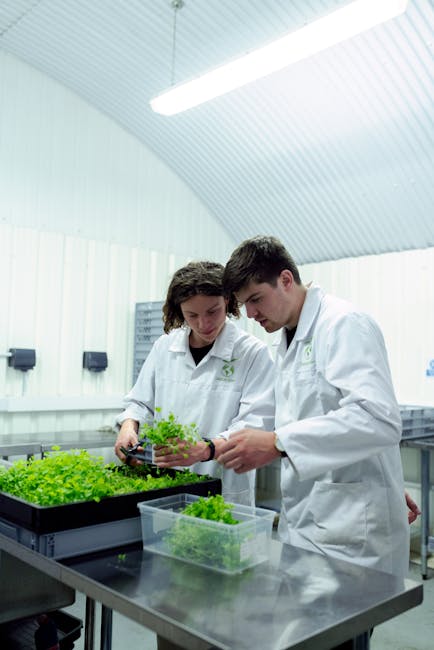
The network, spearheaded by the Grant Park Neighbourhood Association in partnership with Food Well Alliance and local growers, spans underutilised green spaces, vacant lots, and community plots across the 50-acre footprint. Hydroponics — a soilless method that cultivates plants in nutrient-enriched water under controlled environments — forms the backbone of the project. Participants will subscribe to shares of the harvest, receiving weekly deliveries of greens, herbs, tomatoes, strawberries, and experimental crops like dwarf cotton, mirroring successful models from young innovators in the city.
Central to the effort is the Grant Park Hydro Hub, a flagship 10-acre site featuring vertical towers, climate-controlled greenhouses, and modular growing units. Construction begins in March 2026, with initial plantings scheduled for May. “This network reimagines food access in urban Atlanta, turning concrete landscapes into thriving ecosystems,” said Elena Vasquez, project coordinator for Food Well Alliance. “By 2026, we aim to supply 20 per cent of neighbourhood fresh produce needs, reducing reliance on distant supply chains and enhancing dietary health.”
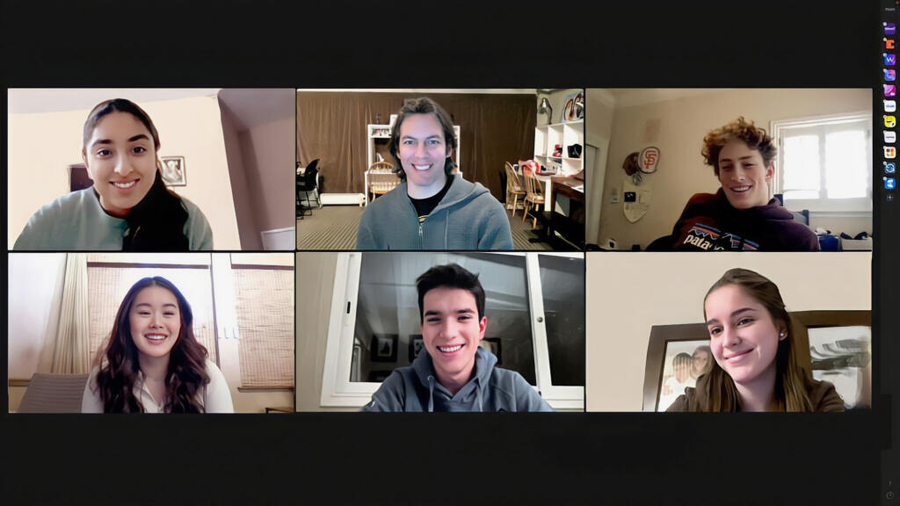
Community involvement drives the project’s momentum. Over 500 residents attended planning workshops in late 2025, contributing ideas on crop selection and distribution. Youth programmes, inspired by local teenage hydroponic pioneers, will engage students from Grant Park schools in hands-on training. Malon-inspired mentorship circles, named after the 15-year-old Atlanta farmer whose vertical farms produce over 40 crop varieties, will teach nutrient blending, LED lighting optimisation, and biosecure practices. “These young minds are bridging family traditions with modern techniques, ensuring hydroponics becomes a household skill,” noted Dr. Marcus Green, a mentor and urban agriculture advocate.
The initiative builds on Atlanta’s burgeoning urban farming scene, where organisations like Food Well Alliance already support more than 300 gardens and orchards. Recent grants, including the 2026 Farm Grant with applications closing on 11 January, allocate $132,500 for infrastructure such as irrigation and high tunnels. Partners like UGA Extension and Compost Now provide composting and technical expertise, addressing urban challenges like air quality and space constraints with resilient, drought-tolerant designs.
Hydroponic systems offer distinct advantages for city dwellers: they use 90 per cent less water than traditional farming, yield harvests year-round regardless of weather, and eliminate soil-borne pests. In Grant Park, modular units will dot rooftops, backyards, and park edges, enabling even apartment residents to host mini-systems. Early trials on a one-acre pilot plot yielded 25 per cent more leafy greens per square foot than soil-based methods, with subscribers reporting improved meal variety and reduced grocery bills.
Economic benefits ripple outward. The network creates 150 jobs in cultivation, maintenance, and logistics by 2027, prioritising neighbourhood hires. Local businesses, from cafes to markets, will source directly, shortening supply chains and supporting vendors like Gratitude Botanical Farm, a survivor of city-backed programmes. “This is about collective prosperity,” said Judge Terrinee Gundy, a longtime supporter of youth-led agriculture. “Investing in these farms multiplies opportunities, nourishing bodies and building community bonds.”
Looking ahead, the project aligns with broader goals for Atlanta’s food security amid climate uncertainties. Expansion plans include integration with nearby neighbourhoods like Ormewood Park, where visioning grants are shaping preserved farm sites. Workshops on resilient garden design, hosted with Atlanta Botanical Garden, kick off in February 2026, equipping participants with tools for home-scale hydroponics.
Resident testimonials underscore the enthusiasm. “My family now grows basil and kale right on our balcony prototype — it’s empowered us to eat fresher,” shared Maria Lopez, a Grant Park mother of three. Subscriptions open in April 2026 at affordable tiers, with sliding-scale options to ensure inclusivity.
This urban farm network exemplifies Atlanta’s commitment to progressive lifestyle enhancements, blending innovation, education, and collaboration for a greener, healthier future. As the first harvest approaches, Grant Park stands as a model for cities nationwide, proving community-driven hydroponics can secure sustenance and spark joy in everyday living.
(Word count: 752)
—
Image Credit: Photo by ThisIsEngineering on Pexels