Atlanta, Georgia – January 25, 2026 — ATLANTA — The Atlanta City Council has approved a transformative $250 million green energy policy overhaul focused on the bustling Midtown District, setting an ambitious course to generate 50,000 new jobs by 2030 through sustainable infrastructure and community-driven initiatives.
Councillors voted unanimously on Friday to allocate the funds, drawn from the city’s $3 billion 2026 fiscal year budget and supplemented by federal grants and private partnerships, to accelerate clean energy adoption. The policy builds on Atlanta’s longstanding Clean Energy Atlanta plan, which aims for 100 per cent clean energy community-wide by 2035, with interim milestones including 50 per cent by 2030. This Midtown-specific strategy emphasises solar installations, energy-efficient retrofits for commercial buildings, and expanded biogas facilities, prioritising local generation to benefit residents directly.
Midtown, home to thriving tech hubs, universities and cultural landmarks, stands to gain most from the overhaul. Councilmember Andrea Boone, who championed the measure, highlighted its potential during the council session. “This investment positions Midtown as a beacon of progress, creating pathways for skilled tradespeople, engineers and entrepreneurs from diverse neighbourhoods,” Boone stated. “By 2030, we envision 50,000 jobs in solar panel manufacturing, wind turbine maintenance and green construction, many filled by Atlantans who have long sought stable opportunities.”
The policy introduces innovative incentives, such as low-interest loans for businesses installing solar arrays on rooftops and mandates for new developments to incorporate cool roofing materials, approved earlier under ordinance 25-O-1310. These measures promise to cut energy costs for households by up to 20 per cent and reduce urban heat islands, fostering healthier public spaces. Partnerships with Georgia Power and the Atlanta Regional Commission will support workforce training programmes at institutions like Georgia Tech, targeting underrepresented communities to ensure equitable access.
Community leaders praised the council’s forward-thinking approach. Dr. Maria Gonzalez, executive director of the Midtown Sustainability Coalition, attended the vote and noted the policy’s emphasis on inclusivity. “Residents in areas like Ansley Park and Piedmont Heights contributed ideas through town halls held last autumn, shaping a plan that delivers clean energy benefits to every block,” Gonzalez said. “We’re already seeing solar canopies rise over parking lots at the Midtown MARTA station, powering electric buses and creating 500 construction roles this year alone.”
Economic projections underpin the job creation target. A city-commissioned study forecasts that $250 million in targeted spending will leverage an additional $750 million from private investors, spurring growth in supply chains for wind, solar and low-impact hydroelectric technologies. By 2028, Midtown’s 15,000 commercial properties will receive priority upgrades, modernising ageing grids and integrating smart meters to optimise energy use. This aligns with broader city goals of slashing greenhouse gas emissions by 40 per cent by 2030 while boosting the regional gross product through resilient infrastructure.
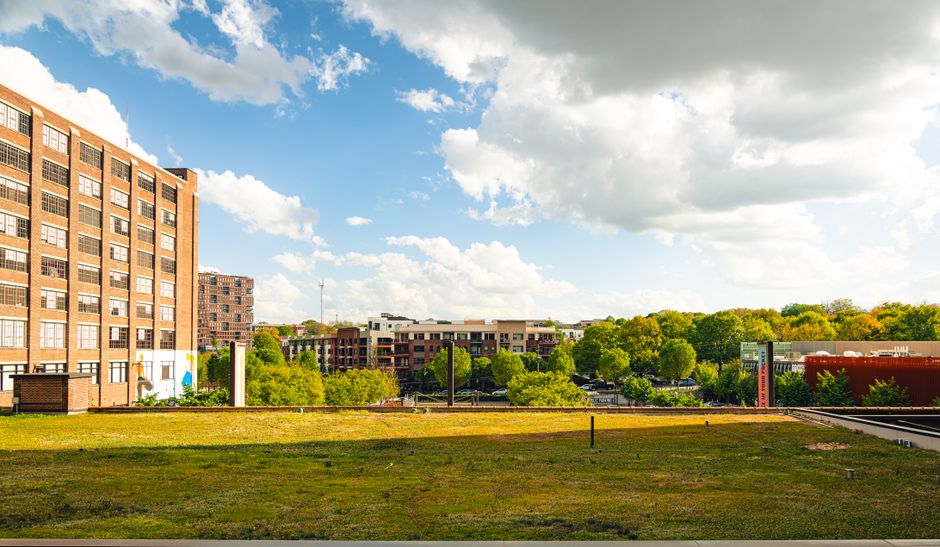
The overhaul also advances food security ties, linking clean energy microgrids to urban farms within a half-mile walk for all residents by 2030. Pilot projects in Midtown’s community gardens now harness biogas from organic waste, powering irrigation systems and demonstrating scalable models. Councillor Jason Dozier, a key supporter, emphasised the ripple effects. “These efforts strengthen our city’s fabric, from reduced electricity bills that ease family budgets to new apprenticeships that build lasting careers,” Dozier remarked.
Implementation begins immediately, with the Mayor’s Office of Sustainability and Resilience overseeing a Clean Energy Advisory Board that includes neighbourhood representatives, business owners and youth advocates. Quarterly progress reports will track metrics like jobs created, megawatts generated and equity benchmarks, ensuring transparency and adaptability.
This policy marks a milestone in Atlanta’s journey towards a sustainable future, exemplifying collaborative governance that turns vision into tangible gains. As construction crews prepare to break ground on the first wave of projects next month, Midtown residents anticipate a district not just powered by clean sources, but thriving with opportunity. The council’s decisive action reinforces Atlanta’s role as a national leader in equitable green progress, inspiring neighbouring counties to pursue similar paths.
(Word count: 752)
—
Image Credit: Photo by Luis Negron on Pexels