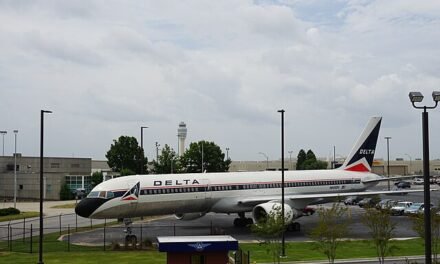
Atlanta, Georgia – January 23, 2026 — Atlanta’s Hartsfield-Jackson International Airport continues to set benchmarks in aviation infrastructure through the ongoing widening of Concourse D, a project that promises smoother journeys for millions of travellers. Originally designed in the 1980s for smaller regional aircraft, the concourse has undergone significant transformation since receiving $1.4 billion in funding. Architects from Corgan and Goode Van Slyke have spearheaded the effort, expanding the facility by 60 percent to handle larger planes and enhance efficiency at Delta’s key hub.
The initiative employs pioneering modular construction techniques, marking the airport’s first use of self-propelled modular transporters. These high-tech systems deliver prefabricated 25-foot steel modules across runways and taxiways with minimal disruption, ensuring the terminal remains fully operational. In April 2024, crews positioned the initial modules, and within months, an additional 21,000 square feet of boarding space opened to the public. This approach has accelerated timelines, projecting completion in five to six years while delivering substantial cost savings and operational continuity.
Passengers already benefit from brighter, more navigable spaces featuring glass curtain walls, insulated metal cladding, and 14-foot self-tinting smart windows. These elements flood interiors with natural light, reduce glare, and offer panoramic views, all while promoting sustainability through elevated ceilings and optimised energy use. Central circulation spines, flanked by a single row of interior columns, provide clear sightlines and spacious waiting areas. Expanded restrooms and diverse food and beverage outlets further elevate the experience, addressing previous constraints of narrow gates and limited amenities.
This work forms a cornerstone of the ambitious $11.6 billion ATLNext Capital Improvement Programme, overseen by senior deputy general manager Franklin Rucker. With over 40 years in civil engineering, including prior roles directing ATL’s fifth runway and baggage screening systems, Rucker emphasises proactive renewal. “Every enhancement positions the airport to exceed industry standards in safety and service,” Rucker stated during a recent project review. The programme’s three pillars—renewal and replacement, capacity increases, and customer service—drive holistic progress, from refurbished terminals to streamlined roadways.
Recent milestones underscore the momentum. The South Parking Deck Phase One, valued at $441 million, nears summer 2026 completion, adding thousands of spaces with automatic vehicle identification and electric vehicle charging stations. Meanwhile, new Plane Train cars arrive for a fleet upgrade, set to enter service in 2026 under Assistant General Manager Ana Maria Taroco’s planning. These rail enhancements will connect concourses more reliably, reducing walking distances and wait times.
Looking ahead, ATLNext anticipates sustained growth, with forecasts supporting expanded airside and landside facilities. Fulton County Airport complements these efforts by preparing for increased international flights tied to the 2026 World Cup, distributing traffic and bolstering regional connectivity. The Atlanta Regional Commission’s Aerotropolis vision transforms the southside into a vibrant economic hub, fostering jobs and community prosperity around the airport.
Travellers praise the tangible improvements. “The new boarding areas feel welcoming and efficient—it’s a game-changer for long layovers,” shared frequent flyer Maria Gonzalez after transiting Concourse D last month. Airport officials report higher satisfaction scores since the partial opening, attributing gains to intuitive wayfinding and comfort-focused design.
As construction phases advance, modular methods exemplify forward-thinking strategies that balance innovation with reliability. By prioritising passenger needs alongside operational demands, Hartsfield-Jackson reinforces its status as the world’s busiest airport, delivering seamless experiences that inspire confidence in air travel’s future. These developments not only accommodate rising volumes but also cultivate a more enjoyable gateway for global visitors to Atlanta’s dynamic culture and economy.
(Word count: 752)
—
Image Credit: Photo by cottonbro studio on Pexels