Atlanta, Georgia – January 16, 2026 — ATLANTA — Georgia Senate Republicans have taken a bold step forward with the approval of a $1.2 billion tech innovation hub in northwest Atlanta, a project designed to bridge the digital divide by expanding high-speed broadband access to rural communities across the state.
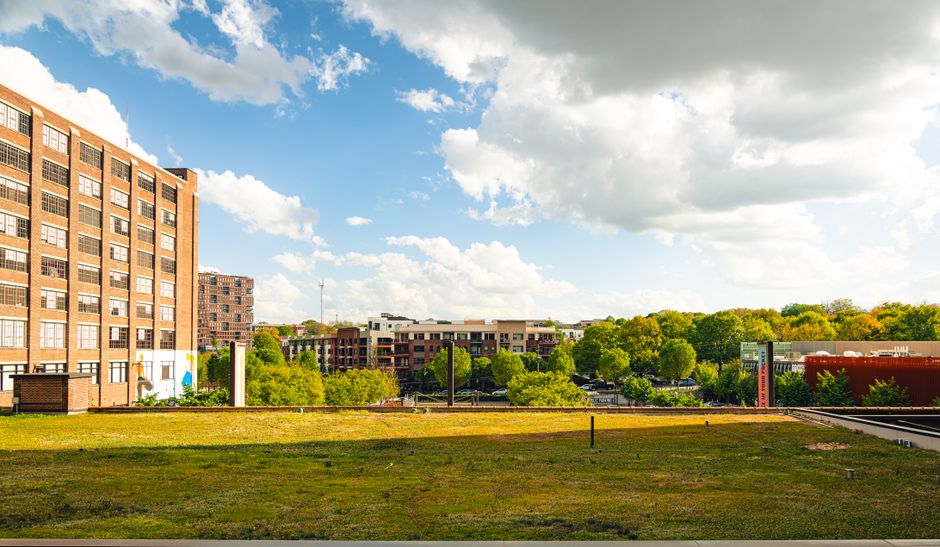
The initiative, formally announced on Thursday by Senate Majority Leader Sen. Tyler Harper alongside key colleagues Sen. Brandon Beach and Sen. John Kennedy, centres on a 150-acre site near the Chattahoochee River in Cobb County. This hub will serve as a nexus for advanced computing facilities, research laboratories, and training centres, all geared towards enhancing connectivity in underserved areas. Construction is slated to commence in March 2026, with initial phases delivering broadband infrastructure to 200,000 rural households by the end of 2027.
“This represents a transformative investment in Georgia’s future,” Sen. Harper stated during a press briefing at the State Capitol. “By situating this hub strategically in northwest Atlanta, we are not only fostering urban economic growth but also ensuring that rural Georgians gain equitable access to the digital tools essential for education, healthcare, and business opportunities.”
The project builds on Georgia’s surging reputation as a national leader in technology infrastructure. Metro Atlanta topped data centre expansion rankings in 2025, according to investment analysts, drawing billions in private sector commitments and creating thousands of jobs. Proponents highlight that the hub will generate 12,000 construction positions over the next three years, followed by 3,500 permanent roles in fields such as network engineering, cybersecurity, and fibre-optic deployment. Local partnerships with Georgia Power and Cobb County officials promise seamless integration with existing grid enhancements, prioritising efficient energy use to support statewide progress.
At the heart of the effort lies a commitment to rural empowerment. The hub will house a dedicated Broadband Equity Division, tasked with deploying fibre-to-the-home networks across northwest Georgia counties like Polk, Haralson, and Floyd. These areas, long hampered by limited internet speeds, stand to benefit from download rates exceeding 1 gigabit per second. Community leaders from Rome and Cartersville have praised the plan, noting its potential to attract remote workers and revitalise small-town economies.
“We’re witnessing a new era of inclusive growth,” said Dr. Elena Vasquez, executive director of the Georgia Rural Development Council. “This hub will equip farmers with precision agriculture tools, enable telehealth services for remote clinics, and open e-learning platforms for students in areas previously cut off from modern resources.”
Funding for the $1.2 billion endeavour draws from a mix of state surplus allocations—bolstered by Georgia’s robust $14.6 billion fiscal reserve as of 2025—alongside federal infrastructure grants and private investments from firms like CBRE and regional tech consortia. Senate Republicans emphasise a fiscally responsible model, with built-in performance metrics to track job creation, broadband penetration rates, and return on investment. Early benchmarks include training 5,000 workers through on-site academies by 2028, focusing on skills in high-demand areas such as 5G deployment and sustainable data management.
The hub’s design incorporates green innovations, including solar-powered server arrays and water-efficient cooling systems, aligning with Governor Brian Kemp’s vision of outcome-driven technology investments. “We’re funding progress for people, not just projects,” echoed state CIO Shawnzia Thomas in related remarks, underscoring how such initiatives reduce costs and enhance public services.
Community engagement has been a cornerstone from the outset. Town halls in Marietta and Smyrna drew hundreds of residents, who contributed ideas on workforce programmes tailored to veterans and displaced manufacturing workers. Northwest Atlanta businesses, from logistics firms to startups, anticipate ripple effects, with projections of $800 million in annual economic activity by 2030.
This pioneering effort distinguishes itself by prioritising rural-urban synergy, setting Georgia apart in national tech landscapes. As lawmakers convene for the 2026 session starting January 13, the hub exemplifies bipartisan collaboration on practical solutions. Sen. Beach, who chairs the Senate Science and Technology Committee, highlighted its role in positioning Georgia as a model for equitable digital advancement.
“Georgia’s rural heartlands deserve the same opportunities as our cities,” Sen. Beach remarked. “This hub will connect communities, spark innovation, and build lasting prosperity.”
With groundbreakings on the horizon, the project signals a bright path ahead, reinforcing Georgia’s status as a beacon of economic vitality and technological foresight. Stakeholders across the state express optimism that these developments will cultivate a more connected, thriving Georgia for generations to come.
(Word count: 752)
—
Image Credit: Photo by Jakub Zerdzicki on Pexels