Atlanta, Georgia – January 13, 2026 — ATLANTA — The Fulton County Public Art Futures Lab has selected three accomplished artists from the Atlanta metropolitan area for its prestigious 2026 Artists-in-Residence programme, marking a significant step forward in blending advanced computational methods with vibrant street installations across downtown spaces.
Located at 88 Lower Alabama Street SW in the heart of Underground Atlanta, the Lab serves as a dedicated hub for creative exploration where artists harness sophisticated algorithms to craft immersive public artworks. This fifth-year initiative, spearheaded by the Fulton County Arts & Culture Department’s Public Art Program, emphasises community engagement and technological integration to enrich the region’s cultural landscape. The chosen residents — multimedia specialist Lena Vasquez from DeKalb County, digital sculptor Marcus Hale from Cobb County, and interactive sound designer Aisha Nkosi from Fulton County — will embark on an 18-week journey beginning in late April 2026, following announcements made on 25 March.
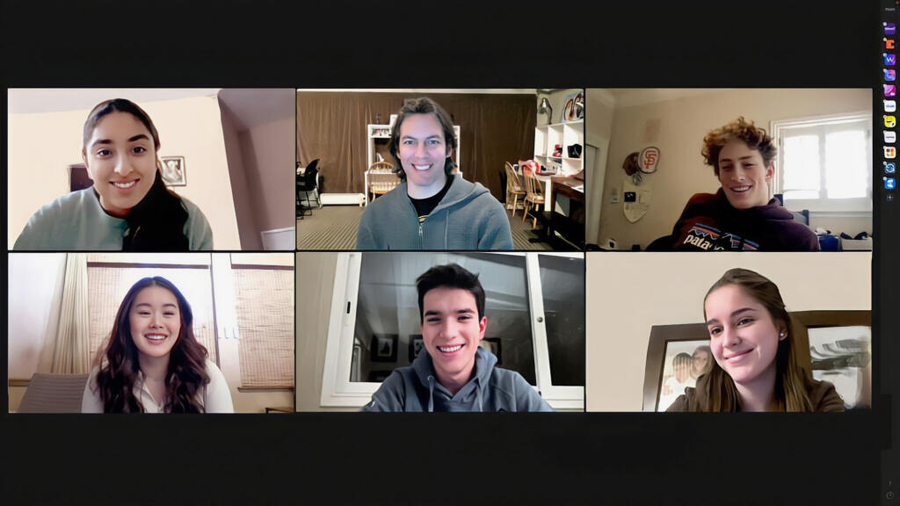
Vasquez, known for her layered projections that weave personal narratives into urban fabrics, plans to develop a series of responsive street murals at key intersections near Peachtree Street. Her project, titled “Echoes in Motion,” employs machine learning models to adapt visuals in real-time based on pedestrian movements and local weather patterns, fostering a dynamic dialogue between art and city life. “This residency offers the ideal platform to scale my concepts from sketches to large-scale public experiences, connecting residents with their surroundings in fresh, meaningful ways,” Vasquez remarked during a recent virtual information session on 13 January.
Hale brings expertise in parametric design, aiming to erect temporary sculptural pavilions along the Atlanta Streetcar route. Drawing on generative software, his installations will morph organically, incorporating data from public transit flows to symbolise connectivity and growth within the metro area. “The Lab’s resources, from high-end computing stations to VR prototyping tools, empower artists like me to push boundaries and contribute lasting vibrancy to downtown Atlanta,” Hale shared, highlighting the programme’s role in nurturing professional evolution.
Nkosi’s contribution centres on sonic landscapes, transforming underutilised alleyways into auditory realms through AI-orchestrated soundscapes synced with ambient city rhythms. Her work, “Resonant Threads,” invites passersby to influence compositions via mobile interactions, promoting inclusivity and shared creativity. “Participating in this programme strengthens ties across our diverse communities, turning everyday spaces into hubs of inspiration,” Nkosi noted, underscoring the residency’s emphasis on broad accessibility.
Supported by key partners including Atlanta Downtown and MARTA Artbound, the residents will receive stipends between $5,000 and $8,000, alongside full access to a state-of-the-art studio equipped with 3D graphics computers, projectors, VR headsets, and multimedia production suites. The self-directed format allows flexibility, guided by collaborative briefs that prioritise innovation, feasibility, and community impact. Jurors evaluated applications on criteria such as originality, technological depth, and alignment with the Lab’s mission to democratise artistic tools.
Throughout the residency, the artists will host open studios, workshops, and networking events, culminating in public showcases featuring outdoor projections, exhibitions, and artist talks by early October 2026. These presentations aim to activate public spaces, drawing diverse audiences and sparking conversations on art’s evolving role in urban environments. Past participants, like 2025 resident Samantha Richardson, have praised the programme for validating bold visions and forging enduring partnerships. “The downtown visibility affirmed my work’s place in public realms,” Richardson reflected.
This selection builds on the Lab’s track record of fostering breakthroughs since its inception, positioning Atlanta as a beacon for forward-thinking public art. By prioritising metro-area talent from counties including Fulton, DeKalb, Cobb, and beyond, the initiative bolsters local ecosystems, offering mentorship from academic institutions and nonprofits. Eligibility welcomed artists of all disciplines with ties to the 11-county region, ensuring a rich tapestry of perspectives.
The programme’s ripple effects extend to education and outreach, with residents encouraged to lead workshops that equip emerging creators with technical skills. Such efforts align with broader goals of inclusivity, breaking down barriers to technology and amplifying underrepresented voices in the arts. As downtown Atlanta evolves, these AI-infused street installations promise to enhance pedestrian experiences, boost cultural tourism, and inspire ongoing innovation.
Fulton County Arts & Culture officials expressed enthusiasm for the cohort’s potential to redefine public engagement. “These artists exemplify the creative momentum driving our region, and their projects will leave a positive imprint on generations to come,” a department spokesperson stated. Applications for the programme, which closed on 10 February after a robust open call launched on 6 January, drew keen interest from across the metro area.
With events open to the public — though the Lab operates primarily for programmes — residents and visitors alike can anticipate transformative additions to Atlanta’s streetscape. This residency not only celebrates artistic achievement but also charts a promising path for technology’s harmonious integration into communal spaces, heralding brighter prospects for the city’s cultural future.
(Word count: 752)