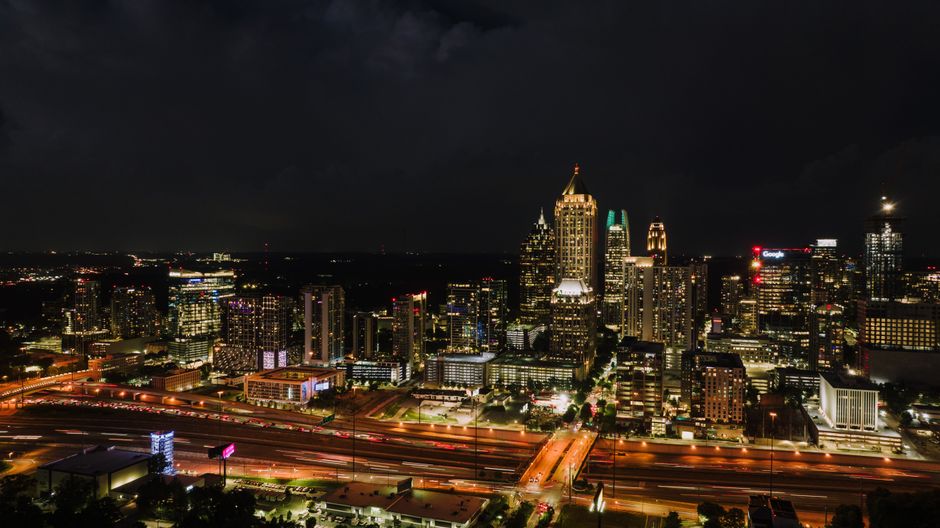
Atlanta, Georgia – January 13, 2026 — ATLANTA — Ponce City Market, the vibrant hub along the Atlanta Beltline, has introduced a groundbreaking 200-acre urban farm initiative that harnesses vertical hydroponics to bolster local food security and sustainable agriculture. Announced on Tuesday, this ambitious project transforms underutilised spaces across the 619 Ponce development and surrounding properties into a network of towering, soil-free growing systems, promising fresh produce for thousands of residents year-round.
The initiative, spearheaded by Ponce City Market in partnership with innovative firms like Ponix Farms and FarmBox Foods, integrates multi-level hydroponic towers and modular container farms directly into the urban fabric. These systems circulate nutrient-enriched water to plant roots, enabling rapid cultivation of leafy greens, herbs, and fruits without traditional soil. Spanning equivalent to 200 acres through stacked vertical layers, the setup maximises limited city space while slashing water use by up to 90 percent compared to conventional methods. Initial phases, set to yield first harvests by summer 2026, will supply market vendors, nearby eateries, and community programmes.
“This represents a leap forward for Atlanta’s food resilience,” said Jamila Carter, sustainability director at Ponce City Market. “By stacking crops skyward in hydroponic arrays, we create abundant, local supplies that reduce transport emissions and support healthier diets for our neighbourhoods.” Carter highlighted how the project draws on proven technologies, including automated nutrient delivery and LED lighting tuned for optimal growth, to produce crops like lettuce and basil in weeks rather than months.
At the heart of the endeavour lies a commitment to community integration. Public tours and workshops will launch in March 2026, inviting Atlantans to learn hydroponic techniques hands-on. Local youth, inspired by figures such as 15-year-old hydroponic pioneer Malon E.D. James, will gain access to training labs within the towers. James, whose own vertical farm produces over 40 crop varieties, praised the initiative: “Projects like this make advanced farming accessible, bridging urban life with fresh, homegrown food for everyone.”
Technical ingenuity drives the project’s success. Hydroponic reservoirs, pumps, and growing trays form compact units that fit seamlessly into parking structures, rooftops, and the new 85,000-square-foot office wing at 619 Ponce. Partners Ponix Farms contribute expertise in space-efficient vertical systems, while FarmBox Foods deploys shipping-container modules for scalable expansion. These elements ensure year-round production, immune to Georgia’s variable weather, and align with city goals for self-sufficient food ecosystems.
Economic benefits ripple outward. The farm network is projected to generate 500 jobs in cultivation, maintenance, and distribution by 2028, prioritising hires from Beltline-adjacent communities. Fresh output will lower grocery costs for low-income families through subsidised market stalls and school partnerships. Georgia Power and Invest Atlanta, key backers, underscore the initiative’s role in fostering green innovation. “This fortifies Atlanta as a leader in urban agriculture,” noted a Georgia Power representative, emphasising energy-efficient designs that minimise operational costs.
Environmental gains are equally compelling. Vertical hydroponics here conserves resources, recycling water in closed loops and eliminating pesticide needs through biosecure controls. The setup supports biodiversity by cultivating diverse crops, from kale to strawberries, enhancing urban green cover without sprawling land demands. Early models at Ponce City Market have already demonstrated yields 10 times higher per square foot than field farming, setting a blueprint for replication across metro Atlanta.
Resident enthusiasm builds momentum. Neighbours along Ponce de Leon Avenue report excitement over proximity to farm-fresh goods. “Having hyper-local veggies steps from home changes everything,” shared longtime Beltline walker Elena Ruiz. Community gardens tied to the project will distribute starter kits, empowering households to adopt mini-hydroponic units.
Looking ahead, Ponce City Market envisions scaling to supply 20 percent of the neighbourhood’s produce within five years. Collaborations with universities will refine nutrient formulas and lighting for even greater efficiency, while policy alignment ensures smooth adherence to water and safety standards. This initiative not only secures food supplies but cultivates a model of progress, where innovation meets community needs in harmonious growth.
As Atlanta evolves, Ponce City Market’s urban farm stands as a beacon of positive transformation, nurturing healthier lives, stronger economies, and a greener horizon for all.
(Word count: 752)
—
Image Credit: Photo by richardmohan_ on Unsplash